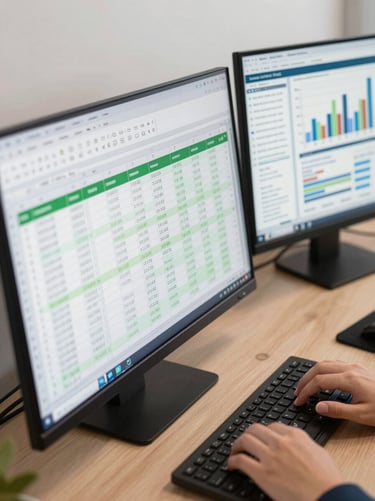
Close-up overhead of a multi-monitor desk setup in a modern finance office, a live Excel workbook with financial model formulas and green accent cells visible on one screen, a KPI dashboard with bar charts on the other, bright studio-neutral lighting, sharp data focus
— Finance Intelligence

Where Finance Operators Read First

Analysis built for CFOs, FP&A leads, and transformation teams — operational specificity on Excel automation, AI in finance, and reporting infrastructure.
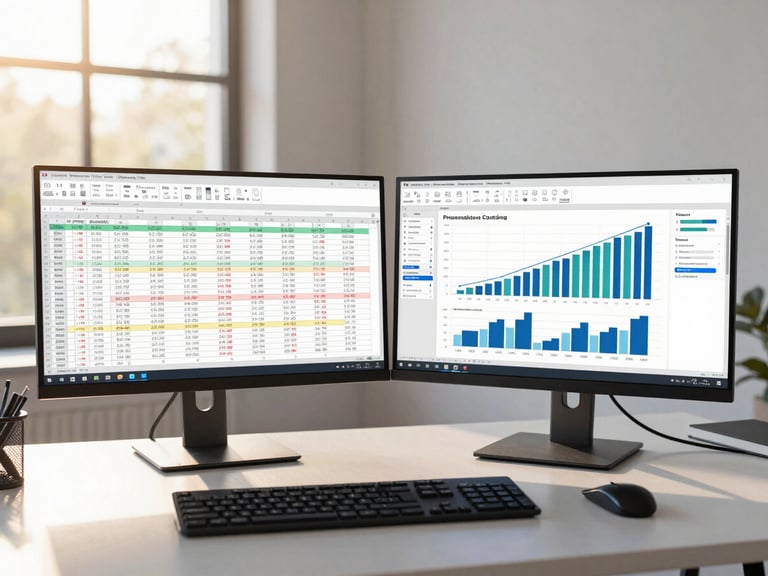
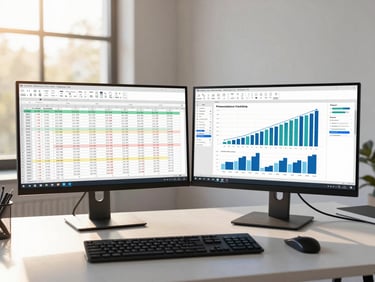
Wide panoramic shot of a finance analyst's dual-monitor workstation at golden-hour window light, left monitor showing a detailed Excel cash-flow forecast with color-coded variance rows, right monitor a live Power BI dashboard with waterfall charts, clean minimal desk, soft natural light from the left
/ Featured Analysis
• AI for Finance

When AI Improves a Forecast — and When It Doesn't

A workflow-level breakdown of which forecasting steps respond to AI augmentation and which still require a finance operator's judgment. Evidence from three FP&A teams.

12 min read

Four Disciplines. One Platform.

Navigate directly to your active problem area — each discipline is its own body of analysis, not a tag.

▸ FP&A
▸ AI in Finance
▸ Excel Automation
▸ Reporting

FP&A Execution

AI for Finance Teams

Excel Automation

Reporting Transformation

Budgeting cycles, rolling forecasts, variance analysis, and the model architecture that makes planning defensible.

From manual pack assembly to automated board reporting — the infrastructure decisions that change what finance can deliver.

Which AI workflows compound over time, which are hype, and how to evaluate both without vendor-led framing.

Power Query, dynamic arrays, VBA to Python migration, and building models that run themselves without breaking.
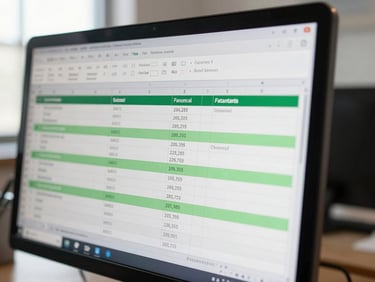
Close-up of an Excel spreadsheet on a high-resolution monitor showing a three-statement financial model with green accent cell highlights and formula bar visible, sharp focus, bright natural light from window
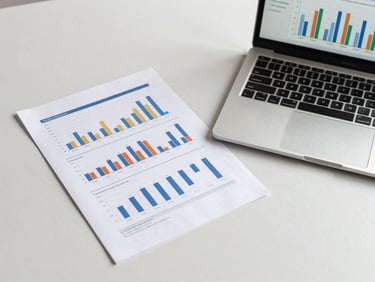
Overhead shot of a clean desk with a printed financial report alongside an open laptop displaying a Power BI dashboard with waterfall and variance charts, studio-neutral lighting, sharp document focus
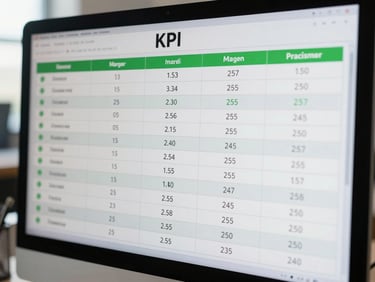
Tight detail shot of a KPI scorecard displayed on a monitor screen, showing revenue, margin, and variance metrics in a clean tabular layout with green positive indicators, bright daylight office setting, high contrast readability
+ Recent Analysis

Rigorous Work. No Filler.

Excel Automation
Reporting Transformation
FP&A Execution
Dynamic Arrays Are Changing Model Architecture
Rebuilding the Monthly Close for Automated Output
Rolling Forecasts That Finance Leaders Actually Trust

SPILL-range logic eliminates dozens of helper columns. Here's how to restructure a mature financial model without breaking its audit trail.

A step-by-step account of how one FP&A team cut pack assembly from four days to six hours using Power Query and structured templates.

The structural decisions — driver-based logic, locked actuals, scenario branching — that make a rolling forecast defensible under board scrutiny.

8 min read

10 min read

9 min read